
The Best Stethoscopes for Medical Students
What to Look for in a Stethoscope | The Best Stethoscopes for Medical Students: A Comparison | Chart: Which Stethoscope Fits Your Needs?
 Starting medical school is an exciting milestone that marks the beginning of an incredible journey. Along with this new chapter comes a list of essential tools you'll need to succeed. Among these, few will be as crucial, or as personal, as your first stethoscope. This instrument isn’t just another piece of equipment; it’s a symbol of your transition into hands-on clinical training and an essential tool for learning the art and science of diagnosis. From listening to heartbeats to detecting subtle lung sounds, your stethoscope will quickly become an extension of your skills as a medical professional.
However, with so many different options on the market, choosing the right stethoscope can feel overwhelming. Should you invest in a high-end model now or start with a basic option and upgrade later? What features matter most for medical students?
In this guide, we'll walk you through the key features to consider while comparing the most popular stethoscopes for medical students. By the end, you’ll have all the information you need to confidently choose a stethoscope that supports your academic growth.
What to Look for in a Stethoscope
Before we compare specific models, let's break down the key factors every medical student should evaluate. Your first stethoscope is an investment in your education, and these elements will determine its value in your daily training.

Acoustic Performance
The primary function of a stethoscope is to transmit sound clearly. As a student, you are learning to identify and differentiate subtle heart, lung, and bowel sounds. A stethoscope with high acoustic sensitivity will make it easier to pick up on murmurs, crackles, and other critical diagnostic indicators and significantly shorten your learning curve.

Comfort & Weight
You will carry your stethoscope with you everywhere—draped around your neck or stuffed into a coat pocket during long shifts and classes. A model that is lightweight and features comfortable eartips can make a huge difference. A heavy stethoscope can become a distraction, which is the last thing you need during a patient examination.

Durability
Medical school is a marathon, not a sprint. Your stethoscope will endure years of daily use, so it needs to be built to last. Investing in a model known for its robust construction and high-quality materials means you won't have to worry about replacing it halfway through your training. Look for durable tubing that resists cracking and staining.

Price
As a student, you are likely managing a tight budget. While you don't need the most expensive cardiology-grade stethoscope on the market, choosing the absolute cheapest option can hinder your learning. The goal is to find a stethoscope that offers excellent acoustic quality for your educational needs without breaking the bank.
Should You Get Your Stethoscope Engraved?
Absolutely. In a busy hospital or classroom setting, stethoscopes are easily misplaced or accidentally swapped. Engraving your name or initials onto the chestpiece is a simple and effective way to prevent loss and ensure your valuable tool remains yours. At SurgoMed, we offer professional engraving services. You can add engraving to the Littmann Classic III, Cardiology IV, Master Cardiology, CORE Digital and Classic II Pediatric & Infant stethoscopes for just $7.95. It's a small, one-time cost that provides lasting security.
The Best Stethoscopes for Medical Students: A Comparison
Most medical students find their ideal stethoscope among a few tried-and-true models. Here's a breakdown of the top contenders.
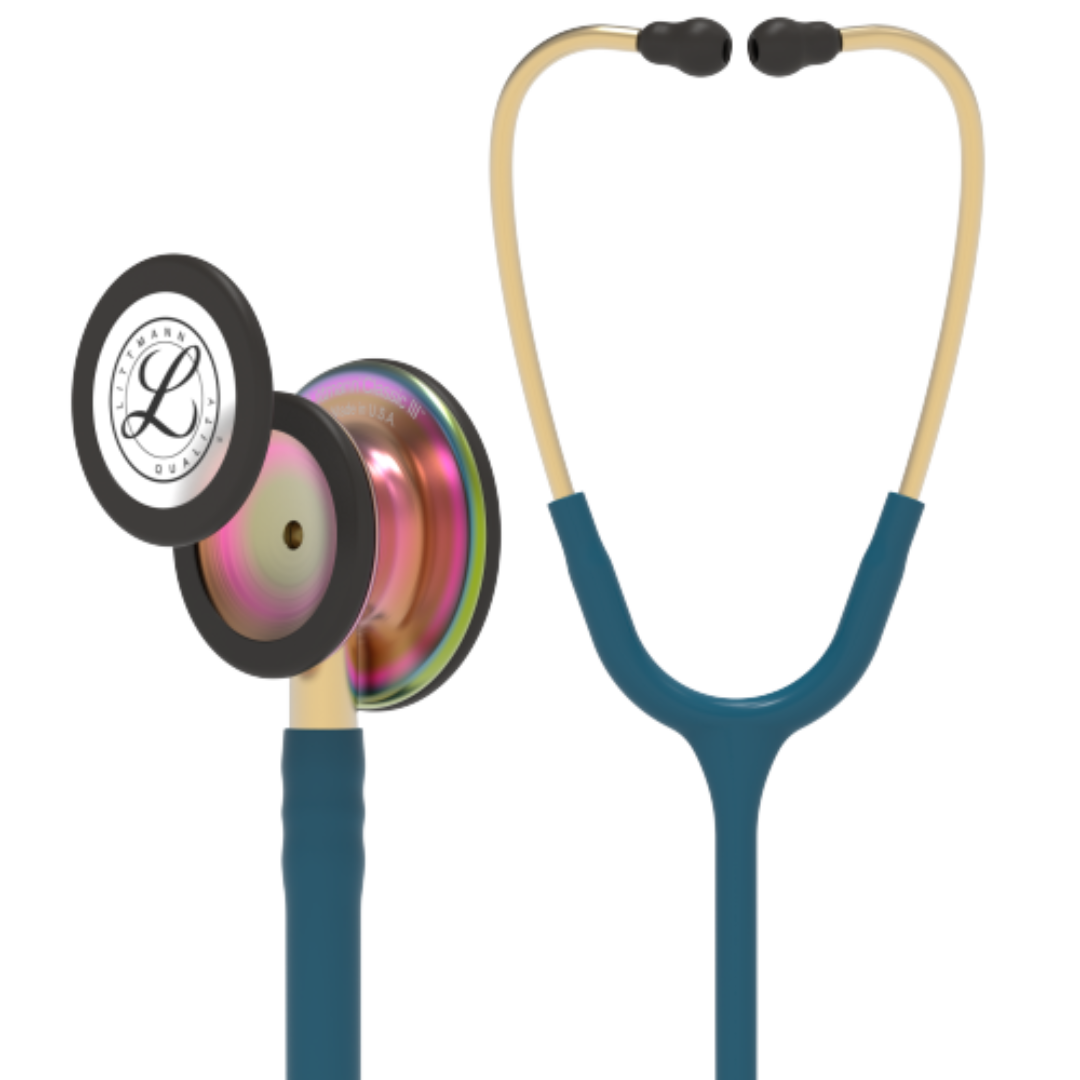
1. Littmann Classic III Stethoscope
The Littmann Classic III is widely considered the go-to stethoscope for medical students, and for good reason. It offers a strong balance of acoustic performance, versatility, and value, making it the most common choice for those starting their medical journey.
Key Features:
- Dual-sided chestpiece: Features both an adult and a pediatric side, offering versatility. The pediatric side can also be converted to an open bell.
- Tunable diaphragms: Allows you to hear different frequency sounds by simply adjusting pressure on the chestpiece.
- Next-generation tubing: More resistant to skin oils and alcohol, ensuring a longer life and less likelihood of staining.
- High acoustic sensitivity: Reliable for a wide range of physical assessments.
The Classic III is a dependable workhorse that will serve you well through medical school and into your residency.

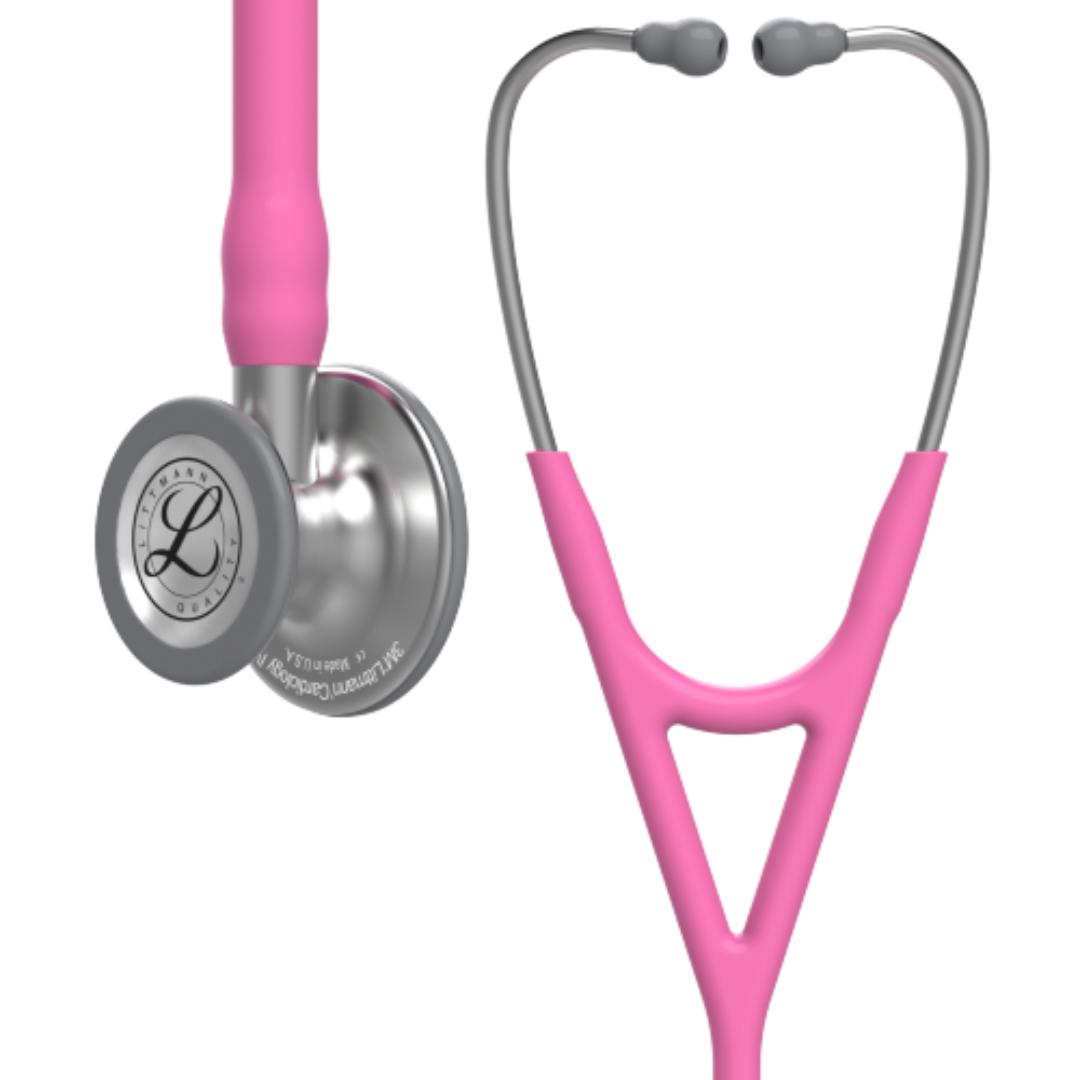
2. Littmann Cardiology IV Stethoscope
For students who want to invest in a higher-performance instrument from day one, the Littmann Cardiology IV is a meaningful step up. It is designed for clinicians who need strong acoustic performance, particularly for picking up subtle and critical sounds.
Key Features:
- Strong acoustic performance: Makes it easier to hear faint heart sounds, murmurs, and anomalies.
- Dual-lumen tubing: Two sound paths within a single tube eliminate the rubbing noise that can interfere with listening in traditional stethoscopes.
- Tunable, single-piece diaphragm: Easier to attach and clean due to its smooth, crevice-free surface.
- 7-year warranty: Longer than the Classic III's 5-year warranty, reflecting its more robust build.
While it has a higher price point, the Cardiology IV is a solid choice for students with a keen interest in cardiology, pulmonology, or internal medicine.

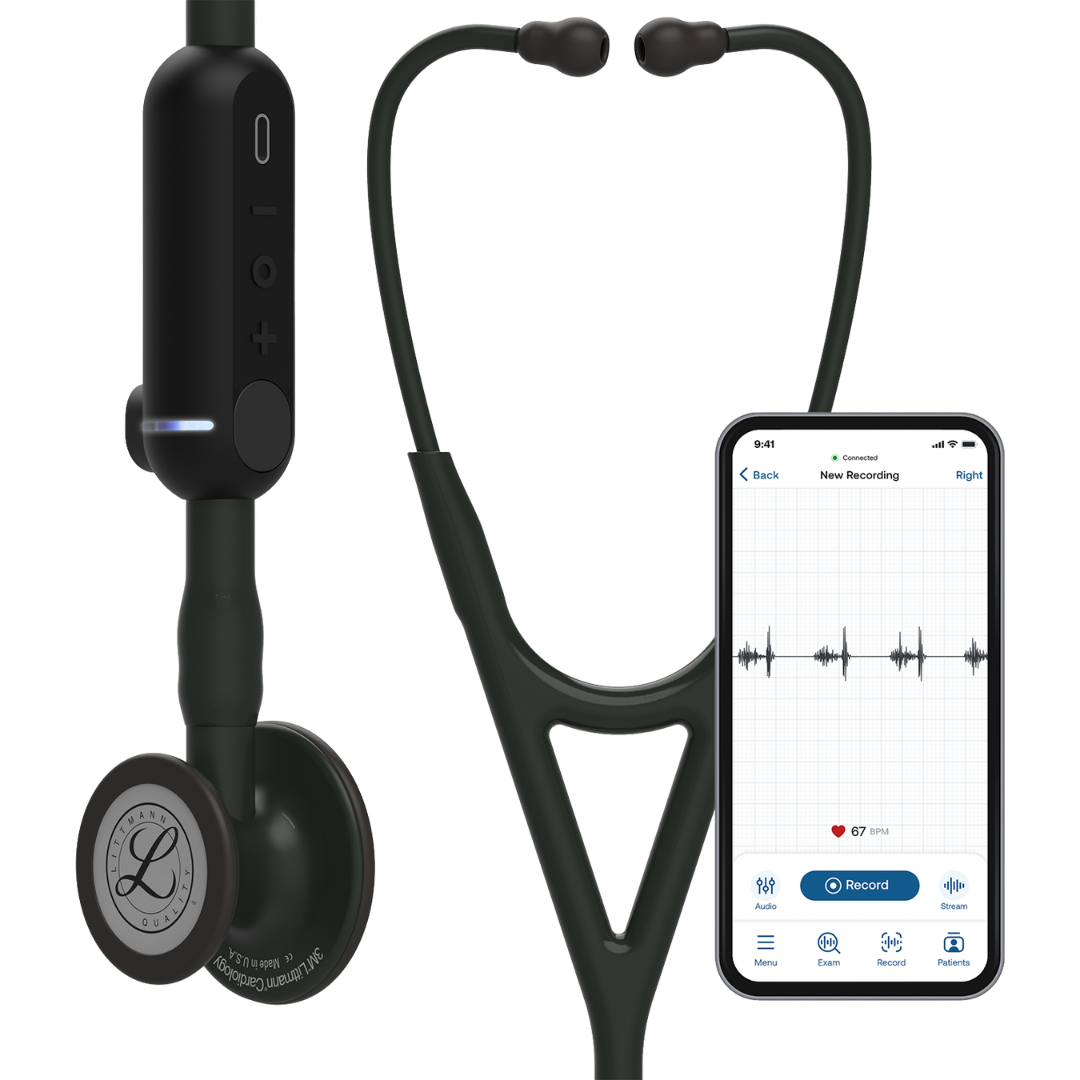
3. Littmann CORE Digital Stethoscope
The Littmann CORE Digital Stethoscope combines acoustic stethoscope design with digital technology. It offers features that can be useful learning aids for students who want to record and review body sounds.
Key Features:
- Up to 40x amplification: Makes it easier to hear faint sounds, which is helpful in noisy environments or with difficult-to-hear patients.
- Active noise cancellation: Helps reduce distracting background sounds.
- Bluetooth connectivity: Connects to a mobile app to visualize, record, and share body sounds.
- Analog and digital modes: Switch between traditional listening and amplified modes with a button press.
The higher cost is a factor, but the recording and visualization features can be a useful study tool for students who prefer a hands-on, tech-aided approach to learning auscultation.

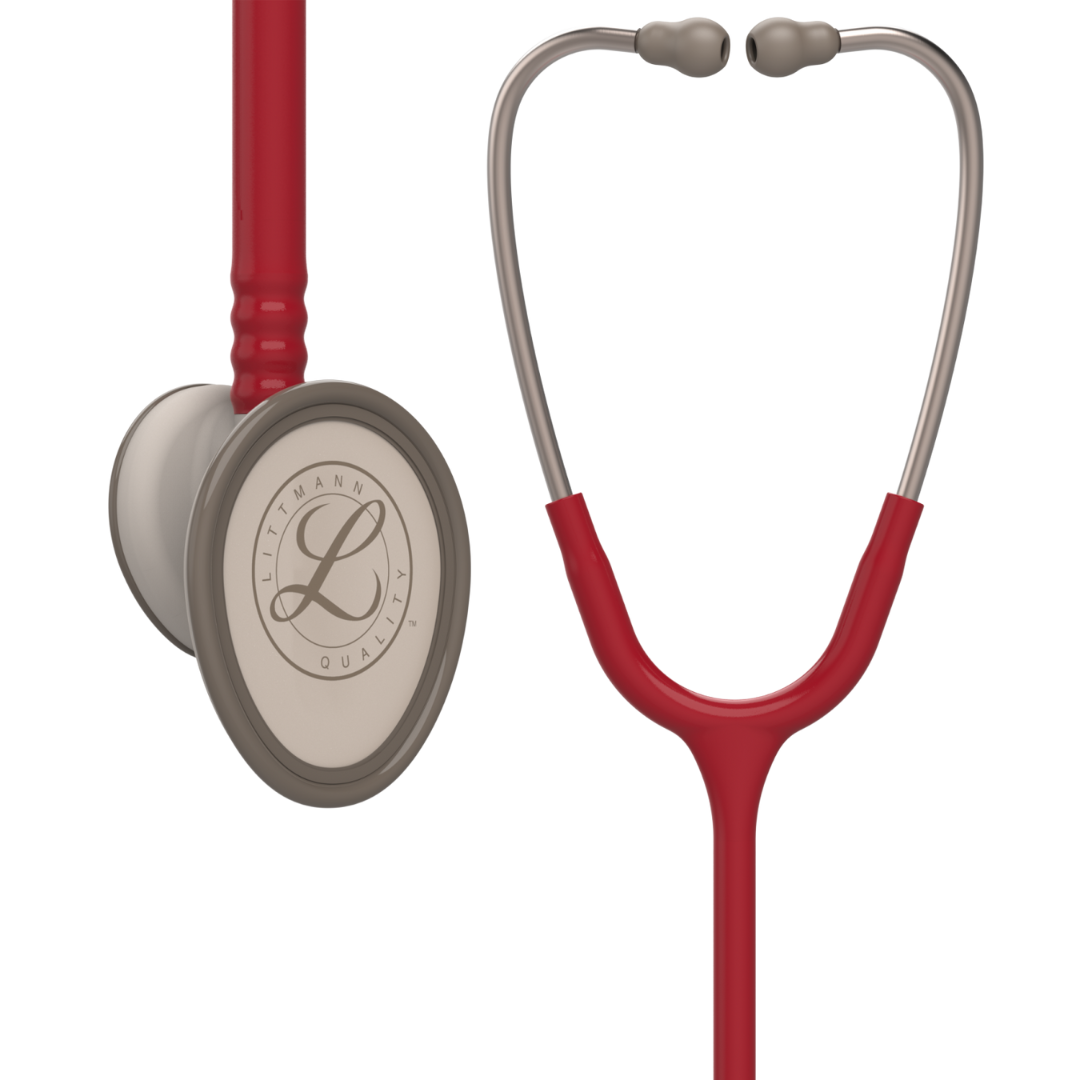
4. Littmann Lightweight II S.E. Stethoscope
If budget is your primary concern, the Littmann Lightweight II S.E. provides a reliable and affordable entry point into the Littmann range. As its name suggests, it is the lightest of the adult Littmann stethoscopes, making it comfortable for long wear.
Key Features:
- Lightest Littmann model: Weighing only 118 grams, designed for comfort during long shifts.
- Tunable diaphragm: Hear high and low-frequency sounds without turning over the chestpiece.
- Tear-drop shape: The chestpiece is shaped for easier positioning under blood pressure cuffs.
Its acoustic sensitivity is not on par with the Classic III or Cardiology IV, but it is a dependable tool for basic physical assessments and a practical choice for budget-conscious students.

Find Your Stethoscope
Whether you're just starting medical school or looking to upgrade, SurgoMed has the right Littmann stethoscope for you — with expert advice, competitive pricing, and professional engraving available.
View All Littmann Stethoscopes →Frequently Asked Questions
Do medical students need a Littmann stethoscope?
Do medical students need a Littmann stethoscope?
While some budget stethoscopes can get you through the early years, most medical students prefer Littmann because of their consistent acoustic quality, durability, and comfort. A Littmann Classic III is often considered the best all-around choice for students.
Should I buy my stethoscope before medical school starts?
Should I buy my stethoscope before medical school starts?
Yes. Having your stethoscope from day one ensures you're ready for labs, clinical skills sessions, and patient encounters. Many students purchase theirs the summer before classes begin.
Is the CORE Digital Stethoscope worth it for students?
Is the CORE Digital Stethoscope worth it for students?
It depends on your learning style and budget. The CORE offers amplification, noise cancellation, and recording via Bluetooth, which can be helpful for studying and reviewing sounds. However, it's a premium option compared to traditional models.
What is the difference between the Classic III and the Cardiology IV Stethoscope?
What is the difference between the Classic III and the Cardiology IV Stethoscope?
The key differences between the Classic III and Cardiology IV Stethoscope are that the Classic III is lighter, has single lumen tubing, features a 5-year warranty, and is ideal for non-critical care environments such as medical offices, general ward, OB/GYN, ambulatory clinic, or urgent care. In comparison, the Cardiology IV is heavier, has dual-lumen tubing, includes a 7-year warranty, and is useful in critical care and challenging environments such as the ED, ICU, Cardiac ICU, step-down unit, and other dynamic locations.
What is the difference between the Cardiology IV and the Master Cardiology Stethoscope?
What is the difference between the Cardiology IV and the Master Cardiology Stethoscope?
The main differences between these two stethoscopes is that the Master Cardiology is heavier, has a higher performance rating, and has a single-sided chest piece that is suitable only for adults. A Cardiology IV has a double-sided chestpiece, allowing it to be used on pediatric and adult patients.
How much should I spend on my first stethoscope?
How much should I spend on my first stethoscope?
Most students spend between $100–$300. A mid-range option like the Classic III balances performance and affordability. Spending less may compromise sound quality, while premium models are best if you want advanced features.
Are lightweight stethoscopes good enough for medical school?
Are lightweight stethoscopes good enough for medical school?
Yes, if budget and comfort are your top priorities. Lightweight models like the Littmann Lightweight II S.E. are reliable for basic assessments, but they don't offer the same acoustic sensitivity as the Classic III or higher-end models.
How long will a stethoscope last in medical school?
How long will a stethoscope last in medical school?
With proper care, a quality stethoscope can last throughout medical school and residency. Choosing a durable model with next-generation tubing helps extend its lifespan.
Should I engrave my stethoscope?
Should I engrave my stethoscope?
Definitely. Engraving reduces the risk of loss or accidental swaps in busy environments. It's a small investment that adds peace of mind.
Can I upgrade my stethoscope later?
Can I upgrade my stethoscope later?
Yes. Many students start with the Classic III and upgrade to the Cardiology IV or CORE Digital during residency, once they've identified their specialty needs.
How do I take care of my stethoscope?
How do I take care of my stethoscope?
Avoid extreme heat and direct sunlight, clean the tubing regularly with mild soap and water, and keep it away from strong solvents like alcohol when possible. Replacing eartips and diaphragms as needed also helps maintain performance.